12 Ways To Make Money On Social Media As A Creator (2025)
The creator economy is racing toward $528B, but only 4% of creators earn more than $100K a year.
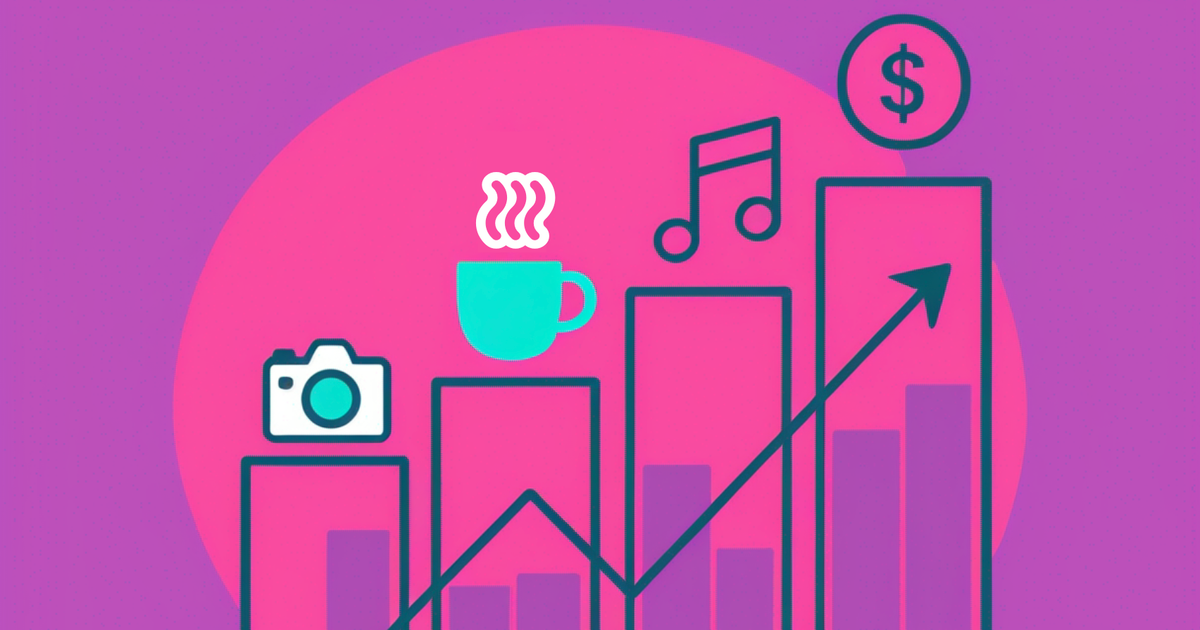
The creator economy is no longer a niche. As of 2025, it's a $191.6 billion market that's growing faster than ever. From built-in platform monetization to high-ticket brand deals, there’s never been a wider range of income opportunities for creators of all sizes.
But here’s the reality: while the top influencers make millions, only about 4% of creators earn $100,000+ annually, and over half make less than $15,000 per year. The gap between hobby and sustainable income comes down to choosing the right monetization strategies for your content type, audience size, and niche.
If you’re looking to supplement your earnings, generate passive income as a content creator, or take your online presence full-time, this guide can help.
Inside, you’ll find 12 actionable ways to monetize your social media, complete with examples from top creators and pro tips to boost earnings faster.
Table of Contents
- Platform-Native Monetization Programs
- Sponsorships and Brand Deals
- Fan Support and Subscriptions
- Affiliate Marketing
- Selling Products or Services
- UGC Creation
- Virtual Influencers
- Licensing Content
- Online Courses and Digital Workshops
- Event Hosting
- Paid Newsletters
- Crowdsourced Projects
Platform-Native Monetization Programs
Platform-native monetization is the foundation of sustainable creator income: earning directly from the platforms where you post. These programs pay you from ad revenue, bonuses, or subscription fees, often with zero outside sponsors needed.
In 2025, eligibility thresholds are lower than ever, meaning smaller creators can qualify earlier and start earning while they grow.
We’ll break down the most lucrative programs, exact eligibility requirements, and payout rates, plus advanced tips to accelerate qualification.
Who This Is Best For
- Creators building a personal brand — focusing on growing a loyal audience, and becoming a recognizable authority before branching into brand sponsorships, affiliate marketing, or product launches.
- Content-first influencers who prefer creating consistently engaging videos, livestreams, or posts over selling products, and who want their income tied directly to views, watch time, and engagement.
Best Platform-Native Monetization Programs:
- YouTube Partner Program (YPP) – YouTube’s built-in monetization system that places ads on your videos and shares a portion of the revenue with you. It’s best suited for longer-form, narrative-driven content.
- Eligibility: 1,000 subscribers + 4,000 public watch hours in the past 12 months, or 10 million Shorts views in the past 90 days (2025)
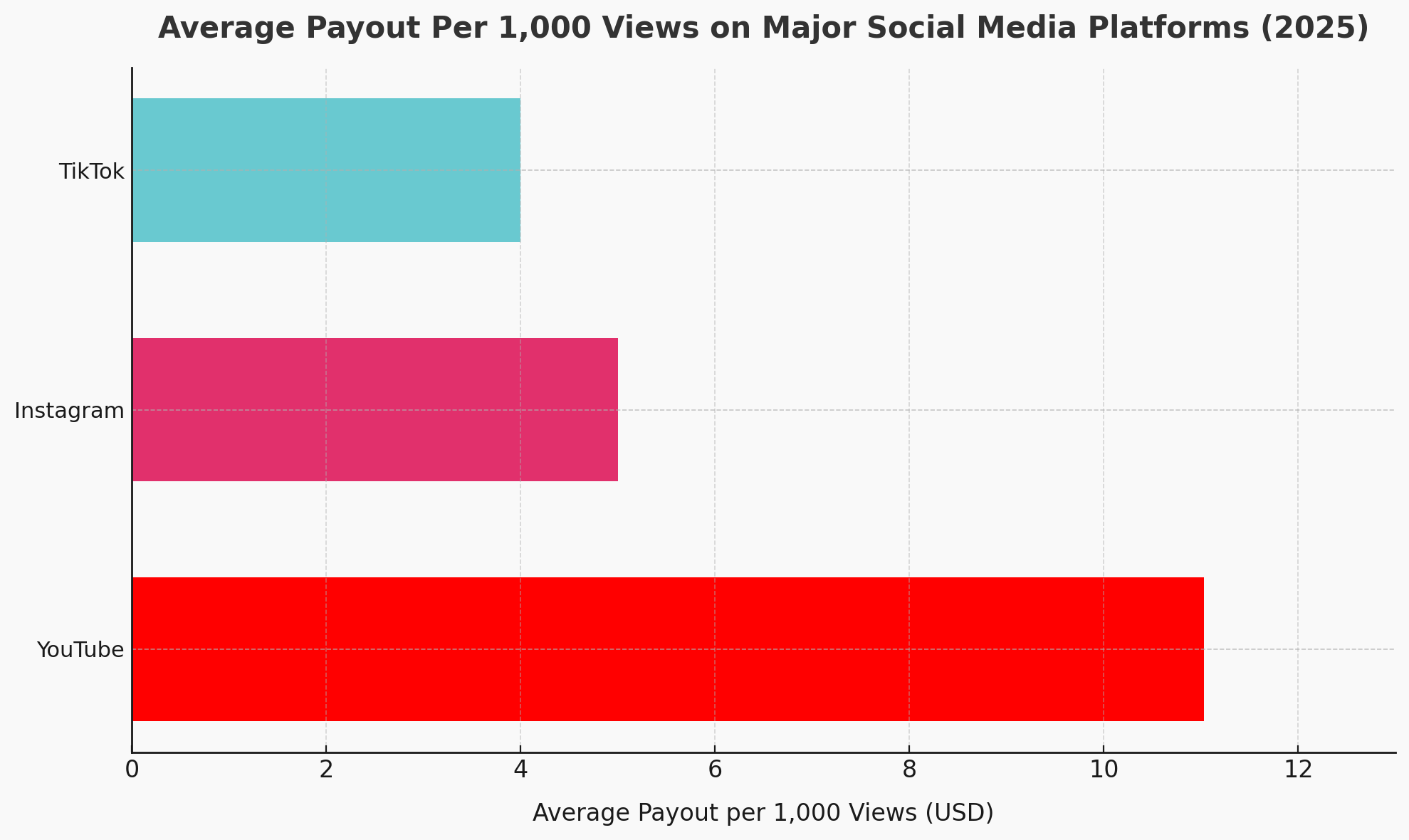
- Payout Model: Around $11.03 per 1,000 views (2025)
- Instagram Reels Ads & Paid Subscriptions – Earn directly from Instagram through ad breaks in Reels or subscriber-only content. Best for quick, engaging clips that encourage repeat views.
- Eligibility: Creator or Business accounts, age 18+
- Payout Model: Ads pay a revenue share based on impressions; subscriptions let you keep the majority of the fee after Instagram’s cut.
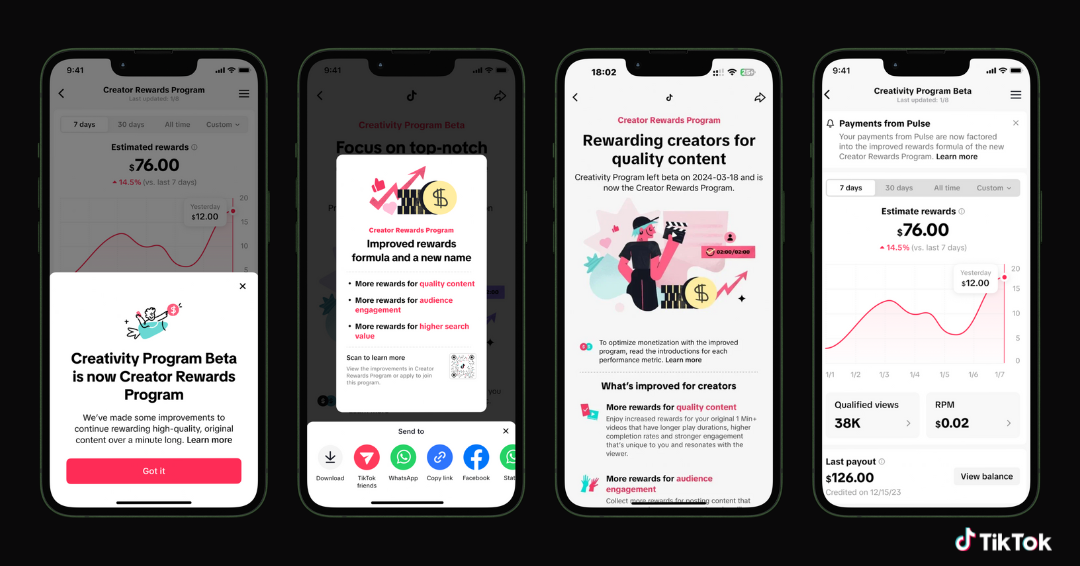
- TikTok Creator Rewards Program – TikTok's monetization program which focuses on rewarding long-form videos (1+ minute) that keep viewers engaged. Best for longer, engagement-driven content, like storytelling videos or tutorials.
- Eligibility: 10,000 followers, 100,000 views in the last 30 days, age 18+ (2025)
- Payout Model: $0.40–$1.00 per 1,000 views, with top-performing content reaching $4–$8 per 1,000 views (2025)
Pro Tips for Maximizing Platform Earnings:
- Prioritize watch time — Platforms like TikTok and YouTube reward high retention with better payouts.
- Use analytics to post at peak times — Boost both reach and income potential.
- Repurpose content across platforms — Tools like Kapwing’s Repurpose Studio can resize and reformat videos instantly, allowing you to share the same content across multiple social channels without extra editing.
Sponsorships and Brand Deals
Sponsorships and brand deals are one of the most lucrative forms of social media monetization. Because audiences now trust creators more than conventional ads, an increasing number of companies are using influencers to promote their products. A single brand deal can range from $100 for small creators to $100,000+ for top-tier influencers.
In 2025, brand sponsorships remain a core income source for mid-to-large creators, but they’re also becoming more accessible to nano-influencers (1K–10K followers) thanks to monetization tools like Aspire, Trend, and #Paid.
These tools connect brands with creators who have highly engaged, niche audiences. For example, below is a Glossier-sponsored post by a micro-influencer who has fewer than 1,500 followers.
Who Brand Deals Are Best For
- Creators with a loyal, engaged audience — where followers trust your recommendations and interact with your content consistently.
- Influencers in industries with high purchase intent, like beauty, fitness, tech, or gaming, where followers are actively looking for product recommendations.
- Aspiring full-time influencers – brand partnerships not only diversify your income, but also often increase your exposure.
How to Land Your First Brand Deal
- Define your niche and audience – Brands look for a clear fit. Whether you focus on beauty tutorials, fitness advice, or gaming reviews, your content should clearly align with your niche.
- Pro Tip: Post about products you already use, and tag the brands. This shows them you’re a genuine fan.
- Make it easy for brands to contact you – Add a business email to your bio and keep DMs open.
- Leverage creator marketplaces – Sign up for platforms like Aspire, Trend, or #Paid to connect with brands actively looking for creators in your niche.
- Pitch yourself directly – Send short, personalized pitches to brands, including your audience stats, engagement rate, and a quick content idea mockup.
- Pro Tip: Use tools like Kapwing to create polished video samples or branded content mockups to showcase your style with premium quality.
Fan Support and Subscriptions
Fan support allows your most loyal followers to contribute to your income through subscription models or one-time tips, in exchange for perks like exclusive content, behind-the-scenes access, or direct interaction.
In 2025, this approach is gaining traction across all major content monetization platforms, from Patreon to TikTok LIVE, as audiences increasingly want to support their favorite creators personally. According to recent data, 50% of people have tipped or paid for exclusive content at least once, proving that passive income for content creators doesn’t have to come solely from ads or sponsorships.
For example, streamer Annie Fuchsia uses Patreon memberships and Twitch subscriptions to offer her supporters early access to videos, exclusive Discord channels, and voting power on upcoming stream themes.
Who This Works Best For
- Creators with highly engaged audiences — even with a smaller following, high engagement means your fans are more likely to pay for access.
- Consistent content creators — subscription models work best when followers know they’ll receive regular value for their contribution.
- Influencers who enjoy direct interaction — many fan support systems thrive on perks like private livestreams, member-only chats, or exclusive Q&As.
Popular Platforms for Fan Support & Subscriptions
- Patreon
- What it is: A membership-based platform where creators offer tiered perks such as early content access, exclusive updates, and members-only Q&As.
- Best for: Creators producing regular long-form content.
- Ko-fi
- What it is: A flexible platform for one-time “coffee” donations or optional recurring memberships.
- Best for: Creators who want a no-pressure way for fans to contribute, without a fixed posting schedule.
- TikTok LIVE Gifts
- What it is: Allows fans to send virtual gifts during livestreams, which can be converted into cash.
- Best for: TikTok creators with strong real-time engagement.

Get Started with Fan Support
- Pick the right platform — Choose Patreon for recurring memberships, Ko-fi for one-off tips, or TikTok LIVE if you stream regularly.
- Announce it to your audience — Make a dedicated video, post, or pinned Story explaining what members will get.
- Reward loyalty — Give long-term members special perks like merch discounts or input on future content.
Affiliate Marketing
Affiliate marketing is one of the most accessible and scalable ways for creators to earn passive income by promoting products, services, or digital tools. Instead of receiving a flat payment upfront, you earn a commission whenever someone purchases through your unique affiliate link.
For example, in the post below, Linda Sun, a fitness creator, shares an affiliate link for Runna, a running app. When a follower signs up through her link and later becomes a paid subscriber, Linda earns a commission.
Who This Works Best For
- Review-based creators — Ideal for YouTubers, TikTokers, and bloggers who produce product reviews, comparisons, or tutorials.
- Creators with evergreen content — Affiliate links in “how-to” videos, listicles, or guides can earn for months or years.
Popular Affiliate Platforms
- Amazon Associates
- What it is: Amazon’s official affiliate program, including opportunities from both Amazon’s own inventory and third-party sellers
- LTK (LikeToKnowIt)
- What it is: A platform designed for fashion, beauty, and lifestyle influencers to monetize product recommendations with shoppable posts.
- Impact & ShareASale
- What it is: Affiliate networks that partner with thousands of brands, from small businesses to big-name companies.
Get Started with Affiliate Marketing
- Audit your existing content for monetization opportunities — Review your top-performing content and identify where affiliate links could naturally fit.
- Select high-converting, niche-aligned products — Look for items your audience is already interested in. The more targeted the product, the higher your conversion rate.
Selling Products or Services
Selling your own products or services is one of the most direct and profitable ways to make money on social media in 2025. Unlike platform payouts or affiliate commissions, you control the pricing, branding, and customer experience, which means you keep a larger share of the revenue.
Products can be physical (merchandise, handmade goods, art prints) or digital (e-books, templates, courses).
For example, Emma Chamberlain frequently shared her love for coffee in her early videos. Eventually, she leveraged her audience to launch her own coffee brand, Chamberlain Coffee.
Who This Works Best For
- Creators with a strong personal brand — Your audience already trusts your recommendations and is willing to buy directly from you.
- Niche experts — Perfect for offering specialized products or services your audience can’t easily find elsewhere.
How to Start Selling Products
- Identify what your audience wants from you – Look at your most popular posts and note what topics or skills people engage with most.
- Start small and validate your idea – Start with a limited run or pre-orders, before manufacturing in bulk.
- Promote with intention – Create high-quality product demo videos, launch teasers, and customer highlight reels.
- Pro Tip: Make it easy to produce branded promo content, even if you don’t have advancean.
UGC Creation
User-generated content (UGC) is content that creators make for brands to use, rather than posting it on their own accounts. UGC work is one of the best monetization opportunities for micro- and nano-influencers who might not yet have massive followings but can produce high-quality, engaging content.
In 2025, the rise of short-form videos like TikTok, Instagram Reels, and YouTube Shorts has driven the demand for authentic, relatable content that doesn’t feel like a polished ad.
Brands hire UGC creators to make content that feels organic, but can be repurposed for ads, email campaigns, and product pages.
@_roxanemorin What do we think?🥹 #ugccreator #ugccommunity #ugchowtogetstarted #ugctips #ugcportfolio #ugccanada #ugccontent #ugcjourney #ugcjourneyupdate #ucgjobs #ugccontentcreator ♬ Cupid – Twin Ver. (FIFTY FIFTY) – Sped Up Version - sped up 8282
Who This Works Best For
- Creators with strong content production skills — For UGC content, brands care more about the quality, style, and relatability of your content than your follower count.
- Creators don’t want to post constantly on their own accounts – UGC lets you focus on the creative process without worrying about algorithms, engagement rates, or community management.
How to Get Started With UGC
- Build a portfolio: Create a sample UGC using products you already own. Show different formats: lifestyle shots, product close-ups, and short-form video reviews.
Pro Tip: Use a video editor with a “Brand Kit” feature to save your logos, captions, and brand colors, ensuring every video matches your style. This makes it easy to produce consistent, on-brand content that’s ready to post instantly.
- Learn what works on each platform: Study trending sounds, popular transitions, and editing styles on TikTok, Instagram, and YouTube Shorts.
- Pitch brands directly — Identify companies whose products you already use and send them a tailored proposal.
- Leverage UGC marketplaces — Sign up on platforms like Billo, Trend.io, and Fiverr to get matched with brands.
Virtual Influencers
Virtual influencers are computer-generated characters who build audiences and collaborate with brands. In 2025, this space has exploded thanks to advances in AI content creation tools and 3D modeling, making it possible to design intricate and realistic virtual influencers.
In fact, some of the highest-paid virtual influencers earn millions a year.
For example, Lil Miquela, one of the most famous virtual influencers, has partnered with brands like Prada and Samsung.
Who This Works Best For:
- Creators with technical skills in 3D design, animation, or AI-generated media — Virtual influencers require more than just posting. There’s a technical backbone to creating, posing, animating, and styling a digital persona.
- Marketers or social media managers with brand experience — A virtual influencer is its own brand. You’ll need to define their “voice,” aesthetic, and posting style, then keep it consistent over time.
How to Get Started as a Virtual Influencer
- Learn the tools: AI character generators such as VEO3 and advanced photo/video editing tools.
- Build a sample character: Even a simple avatar can showcase your style and storytelling ability.
- Pro Tip: Using an AI voice generator can bring your virtual influencer to life, amplifying their personality and engagement.
Licensing Content
Content licensing allows creators to earn money by granting brands, publishers, or other creators permission to use their videos, photos, music, or other creative work, usually for a set time and fee. This can turn one piece of content into a recurring revenue stream.
In 2025, licensing has expanded beyond traditional media use. Many companies prefer licensing existing content over producing new material because it’s faster, cheaper, and sometimes more authentic. For creators, it’s a way to monetize work you’ve already made, sometimes years after it was first posted.
Who This Works Best For
- Creators with large archives of original content – The more content you have, the more opportunities there are to license it.
- Creators with evergreen content – Evergreen content (like recipes, workout tutorials) can be licensed for years because it doesn’t go out of style.
How to Get Started on Licensing Your Content
- Identify content with licensing value – Look through your library for high-quality, unique, or evergreen pieces that could appeal to brands, media outlets, or stock platforms.
- Pro Tip: Clips with a clear subject, minimal background noise, and consistent lighting tend to sell best on stock sites.
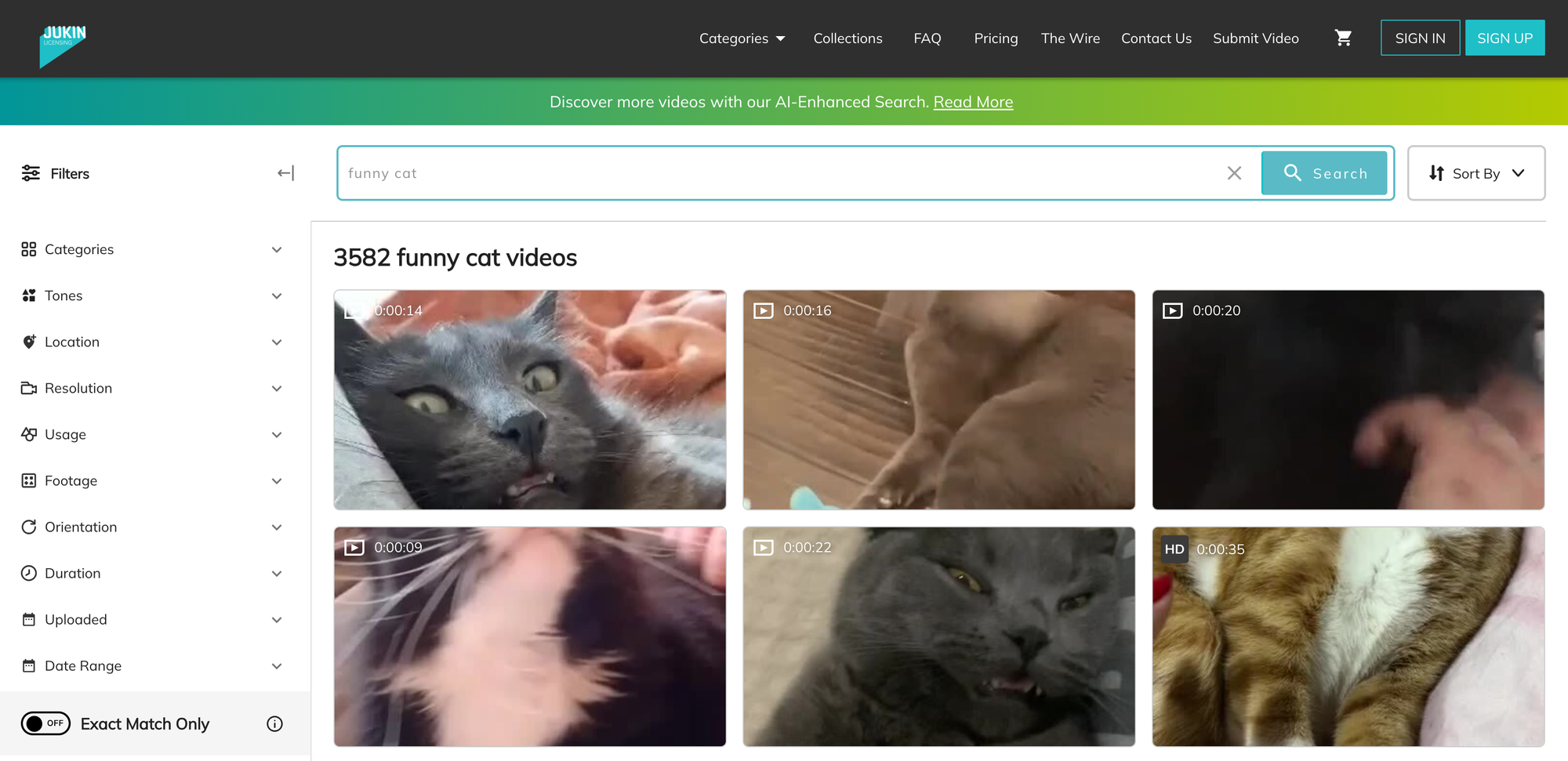
- Join licensing platforms – Upload your work to sites like Shutterstock, Getty Images, Adobe Stock, Pond5, or ViralHog. For viral or news clips, try agencies like Jukin Media.
Online Courses & Digital Workshops
Online courses and live workshops allow creators to package their expertise into a structured learning experience that can be sold repeatedly. The global e-learning market is expected to hit $1 trillion by 2032.
On top of that, creators see 70% profit margins from these courses, which is much higher than from physical goods.
Whether it’s a multi-module video course, a live virtual workshop, or a short “mini-class,” online education offers a scalable monetization method: once your content is created, it can be sold again and again.
For example, fitness influencer Hanna Öberg founded a subscription-based fitness app, leveraging the trust and demand she had built by consistently sharing routines, tips, and training advice with her audience.
Who This Works Best For
- Niche experts in areas like photography, fitness, or entrepreneurship. If your content fills a specific knowledge gap, people are more likely to pay for it.
- Professionals transitioning into content – If you have professional experience in a field, you'll have authority that sells.
- Creators with proven expertise – If your audience already turns to you for advice, tips, or tutorials, you can formalize that value. This indicates that your viewers already trust your knowledge and authority.
How to Get Started
- Validate your topic – Ask your audience in polls, Q&As, or posts what they most want to learn from you.
- Map the journey – Define where your student starts and what transformation they’ll have by the end.
- Choose your platform – Teachable, Kajabi, or Skillshare for structured courses; Zoom or Crowdcast for live workshops.
- Pro Tip: For pre-recorded content, use an advanced video editor to add text, subtitles, and branded intros that look professional without studio gear.
Event Hosting
Event hosting and speaking engagements are when you turn your social media influence into real-world (or virtual) experiences that people will pay for, whether that’s a fan meet-up, a ticketed panel, a workshop, or a keynote at a conference. In fact, in 2025, ticket sales for creator-led tours and meet-ups are up nearly 500%.
For example, British YouTubers Dan and Phil launched The Amazing Tour Is Not on Fire, an interactive live stage show that combined comedy, storytelling, and multimedia elements drawn from their YouTube videos. The show was so popular that it was later released as a paid downloadable film.
Who This Works Best For
- Niche authorities – Experts in specific fields can command higher speaking fees because attendees pay for access to specialized knowledge.
- Community-focused creators: If you’ve built a tight-knit audience, meet-ups are a natural next step, turning digital bonds into in-person connections.
How to Get Started
- Sell the experience, not just the event – People buy into emotions. Instead of “2-hour workshop,” frame it as “Learn [skill] with me, meet other [community name] members, and leave with [specific takeaway].”
- Use scarcity to drive sales – Cap attendance or offer early-bird bonuses like exclusive merch or post-event meet-and-greets.
- Build an event content loop – Film promo content during your event that can be repurposed to promote your next one, making each event a marketing engine for the next.
Paid Newsletters
A paid newsletter is a subscription-based email that delivers premium content directly to your audience’s inbox. Unlike social media, where algorithms decide who sees your posts, email gives you a direct, unfiltered line to your followers.
This matters because your content is guaranteed to reach subscribers — no guessing, no algorithm changes. It’s also one of the highest ROI channels for creators as email open rates average 19–23%, with high-performing newsletters reaching 30–50%.
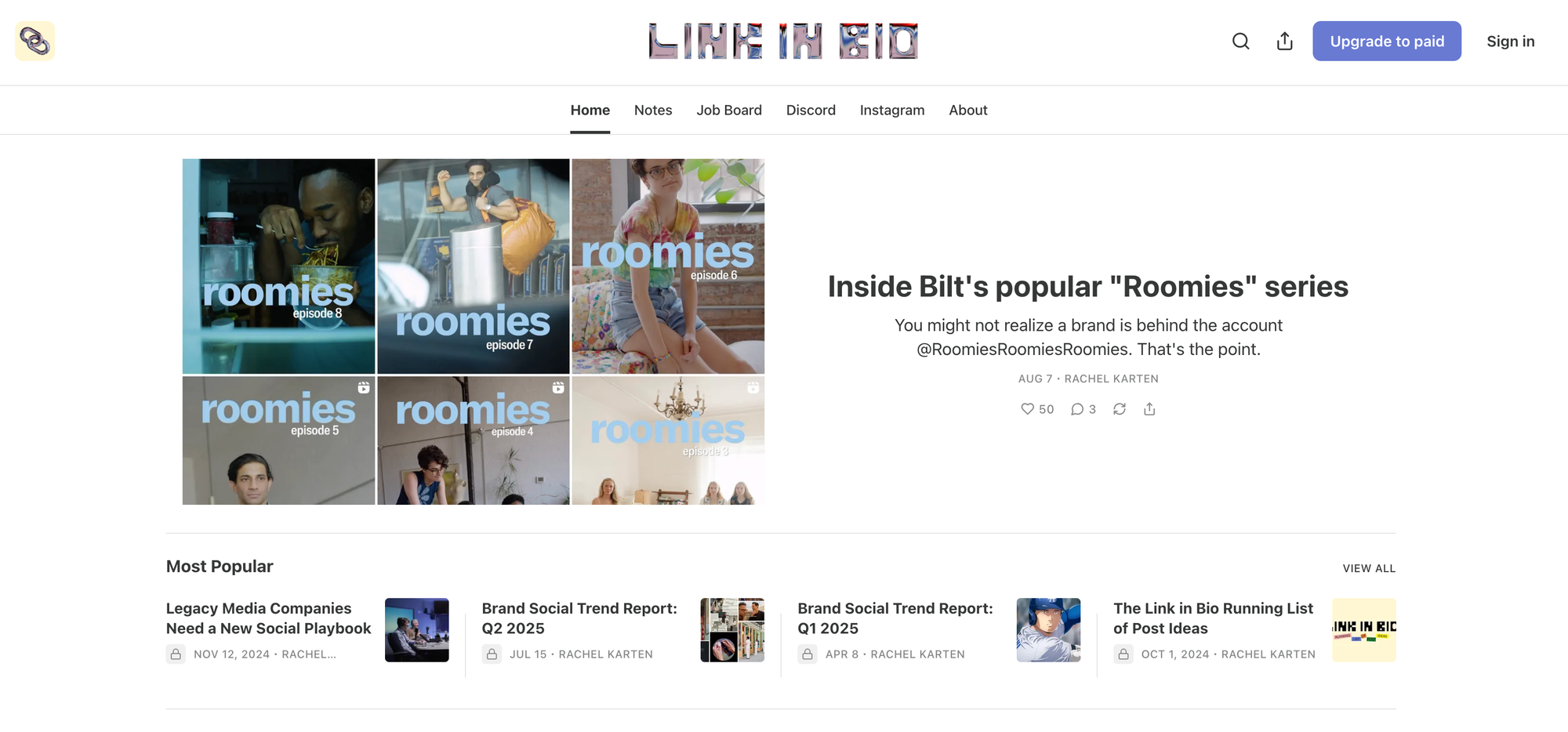
There are many successful paid newsletters, but one standout is Link in Bio by Rachel Karten, a former social media manager. She built a paid subscriber base by offering insider social media strategy, trend analysis, and brand case studies
Who This Works Best For
- Writers, analysts, and storytellers – If your audience values your insights, commentary, or narratives, a newsletter lets you monetize that deeper dive.
- Creators with consistent posting habits – Subscribers expect regularity; if you’re already consistent on social media, that discipline carries over to email.
Most Popular Platforms for Paid Newsletters
- Substack – User-friendly, built-in subscription system, strong discovery tools for finding new readers.
- Beehiiv – Great for growth-focused creators; offers referral programs, audience segmentation, and robust analytics.
- ConvertKit – Powerful automation tools for creators selling multiple products or courses alongside their newsletter.
How to Get Started
- Choose your niche – Decide exactly what your paid content will cover and how it offers extra value beyond your free social media posts. For example, if your free content shares general fitness workouts, your paid tier could include personalized training plans or members-only Q&A sessions.
- Leverage “insider” FOMO – Tease valuable insights or tips in public posts, then say “full breakdown is in today’s newsletter.” This builds curiosity and a habit of checking your content.
- Onboard with a quick win – Your welcome email should deliver instant value (a cheat sheet, template, or exclusive video) so new subscribers feel their money was well spent from day one.
Crowdsourced Projects
Crowdsourcing allows your audience to directly finance your projects, such as launching a physical product line, publishing a book, or producing a film. Platforms like Kickstarter or Indiegogo make it easy to collect pledges in exchange for rewards, such as limited-edition merch or behind-the-scenes updates.
One standout example is Moment, the camera gear company that launched a Kickstarter for its anamorphic lens. With a $50,000 goal, they ended up raising $450,000. As a part of their campaign, Moment produced six highly polished campaign videos, each focusing on a different aspect of the project, from the product’s capabilities to the team. These videos not only showed backers what they’d be getting, but also built trust and credibility. One of those videos is below.
Who This Works Best For
- Creators with a bold, tangible idea – Physical products, books, films, or apps work especially well because backers can picture the final result and feel excited about bringing it to life.
- Strong storytellers – Crowdfunding isn’t just about the product, it’s about the “why.” Creators who can explain the mission and vision behind their project tend to inspire higher contributions.
How to Get Started
- Pitch with a video – A video can communicate your story and vision more effectively than text alone. Kickstarter reports that campaigns with a pitch video have a 50% higher success rate than those without.
- Pro Tip: Use a video resizer to adapt your pitch video for multiple platforms, so your campaign stays discoverable everywhere.
- Turn backers into ambassadors – Offer referral perks (exclusive merch, shout-outs) for backers who get others to fund. This grows your reach without extra ad spend.
- Show progress in micro-stories – Instead of only big updates, post short behind-the-scenes clips (design sketches, first prototypes) to keep momentum alive.
Frequently Asked Questions
What’s the fastest way to make money on social media?
For most new creators, affiliate marketing and UGC creation offer the quickest path to income with low entry requirements.
How much can small creators earn?
Nano-influencers (1k–10k followers) can earn $50–$500 per sponsored post, depending on niche and engagement.
Which platform pays creators the most?
YouTube generally has the highest CPMs for ad revenue, while TikTok offers better short-form reach but lower average payouts per view.
Do you need a big audience to earn?
These questions match common Google searches and can be marked up with FAQ schema for better SERP presence.