Studi orisinal tentang video, AI, media sosial, dan budaya digital
Studio più recente
Pubblicato a giugno 2026
Quali accenti AI suonano più affidabili e credibili?
L'indagine di Kapwing ha rilevato che l'accento del Deep South (Mississippi) è l'accento AI più affidabile.
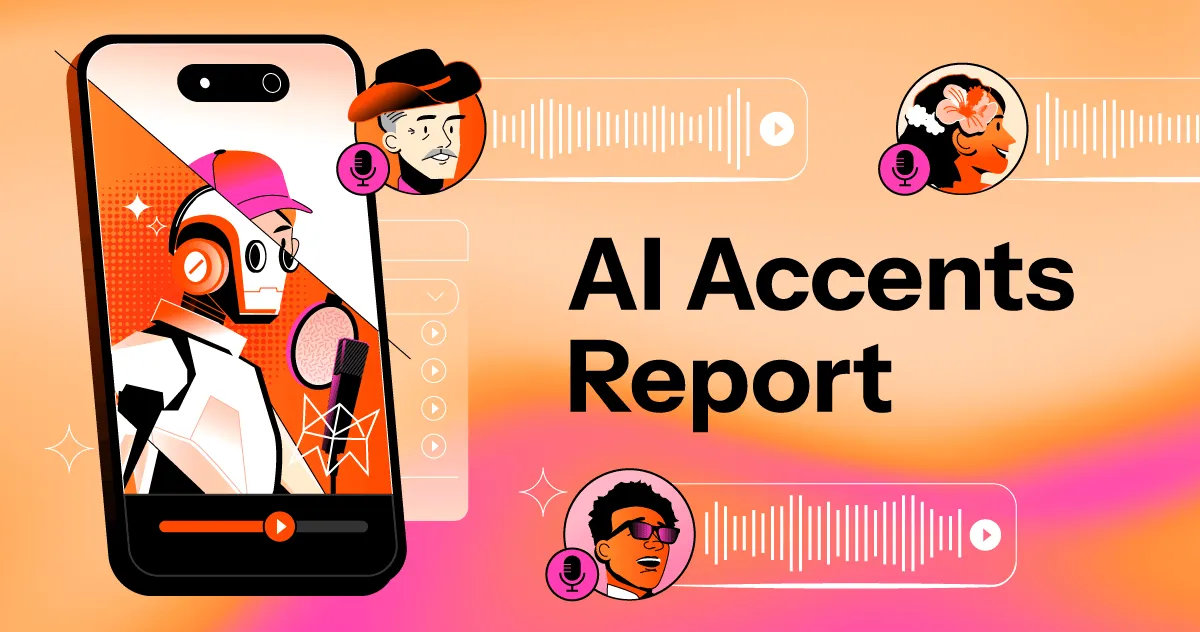
La nostra indagine sull'accento AI
I numeri dietro lo studio
6.5/10
era il voto medio per l'affidabilità dell'accento del Deep South, l'accento più affidabile.
5.8/10
era la valutazione media dell'autenticità per gli accenti di Boston e Texans, gli accenti meno autentici.
Studi sulla cultura digitale, l'IA e i social media
Abbiamo usato lo strumento AI Voice Cloning di Kapwing per clonare le voci di 15 speaker con diversi accenti regionali degli Stati Uniti. Abbiamo poi riprodotto questi a un campione di 1.000 adulti americani e abbiamo chiesto loro di valutare gli accenti per autenticità.
Scoperte principali dai nostri studi
Il video sta cambiando in fretta. Lo studiamo.
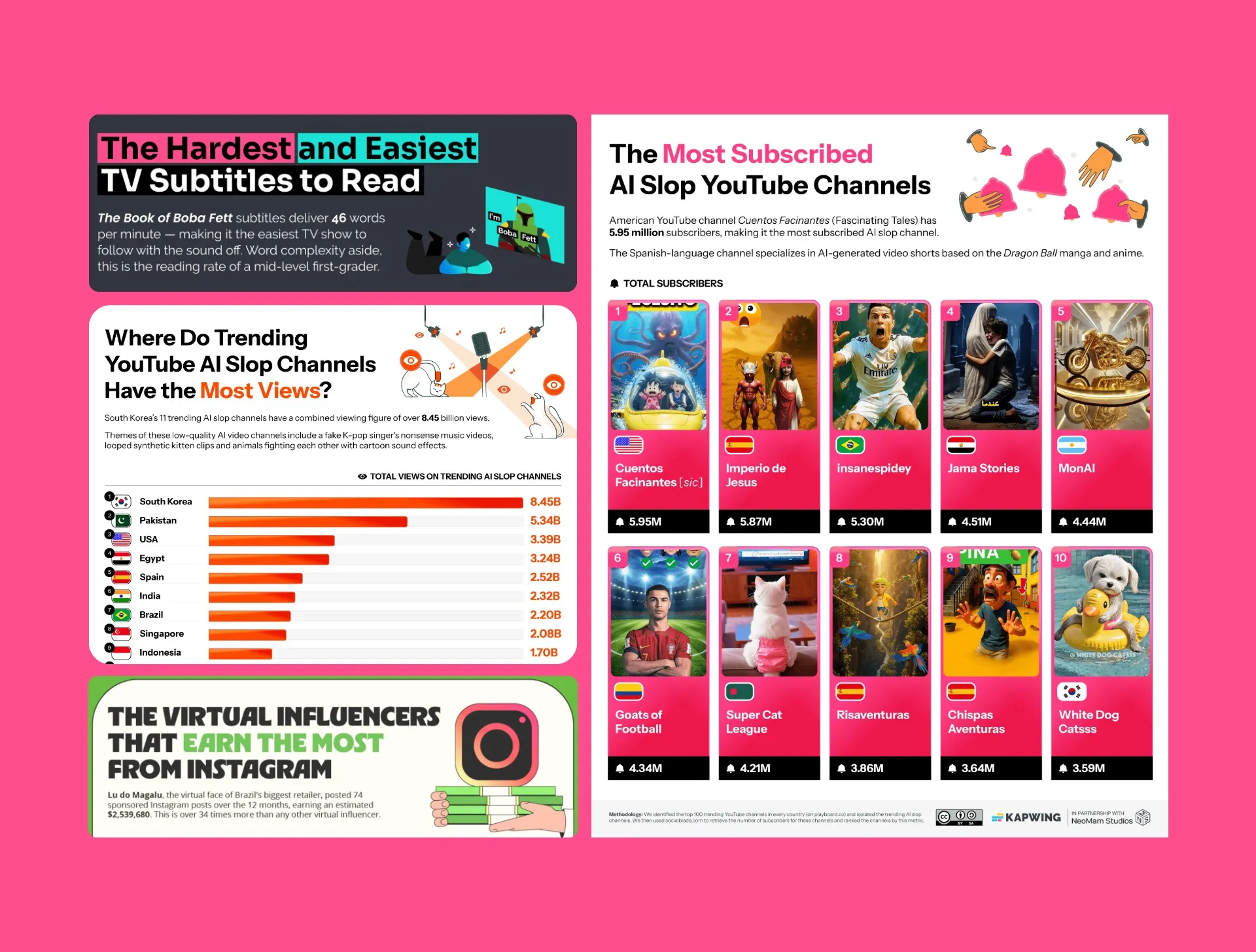
21–33%
di un nuovo feed YouTube Shorts potrebbe essere AI slop o brainrot
59%
dei video serviti alla pagina For You di un nuovo account TikTok sono AI slop
$2.54M
guadagni annuali stimati per il principale influencer virtuale del mondo, Lu di Magalu
1.131 doppiaggi
per Gesù (1979), il film più doppiato di tutti i tempi
77,3%
delle persone mostrate in lavori ben retribuiti sono state rappresentate come bianche nei contenuti AI
13.399
ricerche per milione di persone hanno reso la Corea del Sud il paese con il più alto interesse per i deepfake
(Report)
Chi tiết về Kapwing Research Lab
Oltre 1.000 citazioni dello studio su stampa, blog, newsletter e fonti accademiche
Studi indipendenti su gli strumenti, i trend e i comportamenti dei media che stanno plasmando i video online
Il Kapwing Research Lab pubblica studi originali e basati su dati riguardanti i contenuti generati dall'IA, la creazione di video, i trend delle piattaforme, l'accessibilità, e la cultura digitale.
I nostri report esplorano come la tecnologia sta cambiando quello che le persone creano, quello che le piattaforme promuovono, e quello che il pubblico effettivamente vede in formato video.
Pubblichiamo ricerche per creator, marketer, educatori, giornalisti, e chiunque stia cercando di capire il mondo in rapido movimento dei media online.
I nostri studi hanno avuto un impatto globale con copertura che include The Guardian, BBC, MSN, Quartz, e altri ancora
Se stai cercando di capire cosa sta effettivamente succedendo ai video online, sei nel posto giusto.
Prossimamente
Rapporti leader del settore, analisi dei dati e ricerche originali nel 2026
.webp)
Individuare i Video IA
Un'indagine che esplora quanto sia facile per il pubblico generale identificare i video AI sui social media, con suggerimenti pratici da parte di ingegneri che lavorano con modelli AI ogni giorno.

Industria Musicale dell'AI
Gli artisti più ascoltati e quelli che guadagnano di più stanno usando l'AI per fare musica, e i numeri ci dicono verso dove sta andando l'industria
.webp)
Accenti AI
Quali accenti AI suonano più affidabili e credibili? Utilizzando lo strumento Voice Clone di Kapwing, abbiamo creato una serie di accenti AI americani regionali e commissionato un sondaggio.
Domande Frequenti
Abbiamo le risposte alle domande più comuni che i nostri utenti ci fanno.
Cos'è Kapwing Research Lab?
Kapwing Research Lab è una raccolta di studi e rapporti originali su media generati dall'IA, tendenze video, piattaforme social, accessibilità e cultura digitale.
Che tipi di studi sono inclusi?
La pagina presenta ricerche su argomenti che includono pregiudizi nell'IA, AI slop, deepfake, influencer virtuali, prompt video generati da IA, leggibilità dei sottotitoli, tendenze del doppiaggio e media sintetici.
Quanto spesso viene aggiornata la Kapwing Research?
I rapporti vengono aggiunti man mano che vengono pubblicati, e puntiamo a produrre 3-6 nuovi studi ogni anno. La sezione dello studio più recente evidenzia il rilascio più nuovo.
Posso citare Kapwing Research nel mio lavoro?
Sì. Giornalisti, educatori, creatori, marketer e ricercatori sono benvenuti a riferirsi agli studi pubblicati di Kapwing con attribuzione.
Inizia con il tuo primo video in pochi click. Unisciti a oltre 35 milioni di creator che si fidano di Kapwing per creare più contenuti in meno tempo.